
Greenland Shark Genome Reveals Secrets to Extreme Longevity
Scientists have sequenced the Greenland shark's genome, uncovering genetic factors like enhanced DNA stability and stress resistance that may explain its extraordinary lifespan.

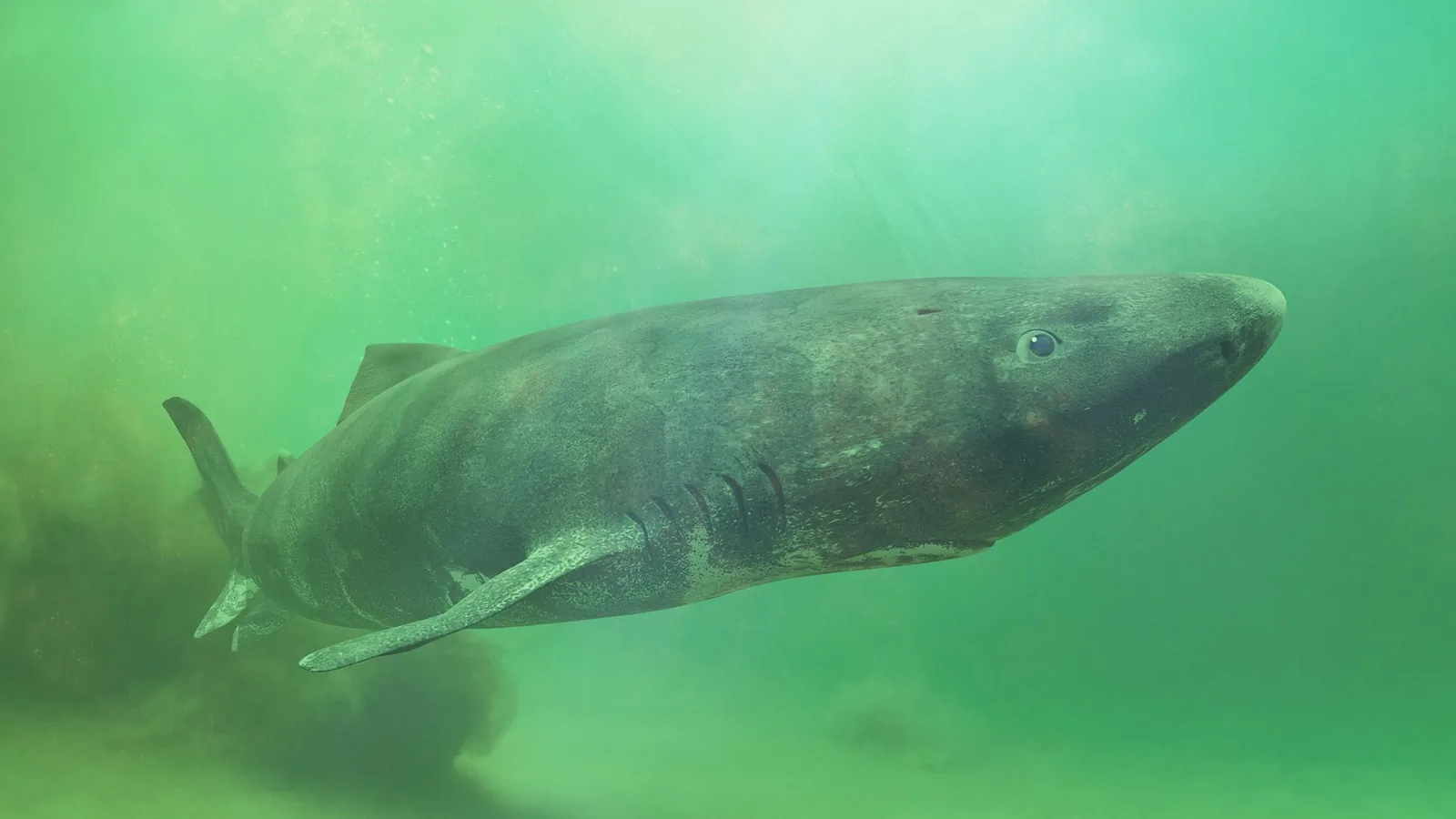
The genetic blueprint of the Greenland shark, a creature renowned for its astonishing longevity and slow-paced life in frigid Arctic waters, has been deciphered for the first time, revealing potential biological mechanisms behind its centuries-long existence. Researchers successfully sequenced approximately 96.7% of the shark's entire genome, uncovering a wealth of genetic information that sheds light on how these elusive animals evade cancer and achieve extreme lifespans, with some individuals estimated to live up to 400 years. The findings, published in the journal PNAS, could offer novel insights into human aging and age-related diseases.
Greenland sharks (Somniosus microcephalus) inhabit the cold depths of the North Atlantic and Arctic oceans, typically growing to lengths of 13 to 16 feet. Their remote habitat, often exceeding depths of 1.65 miles, combined with their incredibly slow maturation—reaching adulthood around 150 years old—makes them one of the least understood and longest-living vertebrates on Earth. The new genomic study, led by Shigeharu Kinoshita, a fisheries chemist at the University of Tokyo, aimed to unravel the genetic underpinnings of this remarkable longevity.
The research identified several key genetic adaptations. Notably, the study found unique amino acid substitutions in linker histone proteins, which are crucial for packaging DNA. These alterations are believed to enhance the stability of chromatin, the complex of DNA and proteins that forms chromosomes. By stabilizing chromatin, these genetic tweaks may help prevent the accumulation of DNA damage over the shark's exceptionally extended lifespan, Kinoshita explained. Furthermore, the genomic analysis revealed expanded gene families associated with immune responses and DNA repair pathways. This suggests that Greenland sharks possess robust mechanisms for repairing cellular damage and regulating their immune systems, factors that likely contribute significantly to both their longevity and their resistance to cancer.
Unlocking the Secrets to a Long Life
Another significant discovery involved the marked expansion of ferritin genes, which play a vital role in iron storage and regulation. The increased number of these genes indicates an enhanced capacity in Greenland sharks to manage iron metabolism and curb oxidative stress, a cellular process that can lead to DNA damage and contribute to cancer development. This finding also suggests the sharks may possess a natural defense against ferroptosis, a form of programmed cell death dependent on iron. "Our genomic analyses revealed multiple lines of evidence pointing to enhanced genome stability and stress resistance in the Greenland shark," Kinoshita stated. He emphasized that extreme longevity is probably not the result of a single gene but rather a coordinated interplay across various biological systems, including genome stability, iron metabolism, immune function, and stress resistance.
The potential implications of this research extend beyond marine biology. Understanding the genetic secrets of the Greenland shark's longevity could inform strategies for combating age-related ailments in humans. Dorota Skowronska-Krawczyk, a physiologist and biophysicist at the University of California, Irvine, who was not involved in the study, noted that features related to immune enhancement, cancer resistance, DNA repair, and chromatin stability could all be linked to the shark's extraordinary lifespan. However, she stressed that functional studies would be necessary to directly confirm these hypotheses.
Previous research had also pointed to a stable metabolism as a contributing factor to the Greenland shark's longevity. Aaron MacNeil, a biologist at Dalhousie University, also unaffiliated with the study, acknowledged the findings' support for the sharks' exceptional lifespan. While he expressed some skepticism regarding the 400-year age estimate—which relies on radiocarbon dating from eye lenses and could be influenced by slow oceanic mixing—he firmly asserted, "But we do know they're damn old — 200 years at least." The ongoing exploration of the Greenland shark genome promises to unlock further mysteries about extreme longevity and the biological adaptations that allow life to persist for centuries.