
Neanderthal Extinction Mystery Solved by New Fossil Evidence
New fossil discoveries and genetic analysis offer fresh insights into the disappearance of Neanderthals, exploring theories of climate change, competition, and assimilation.

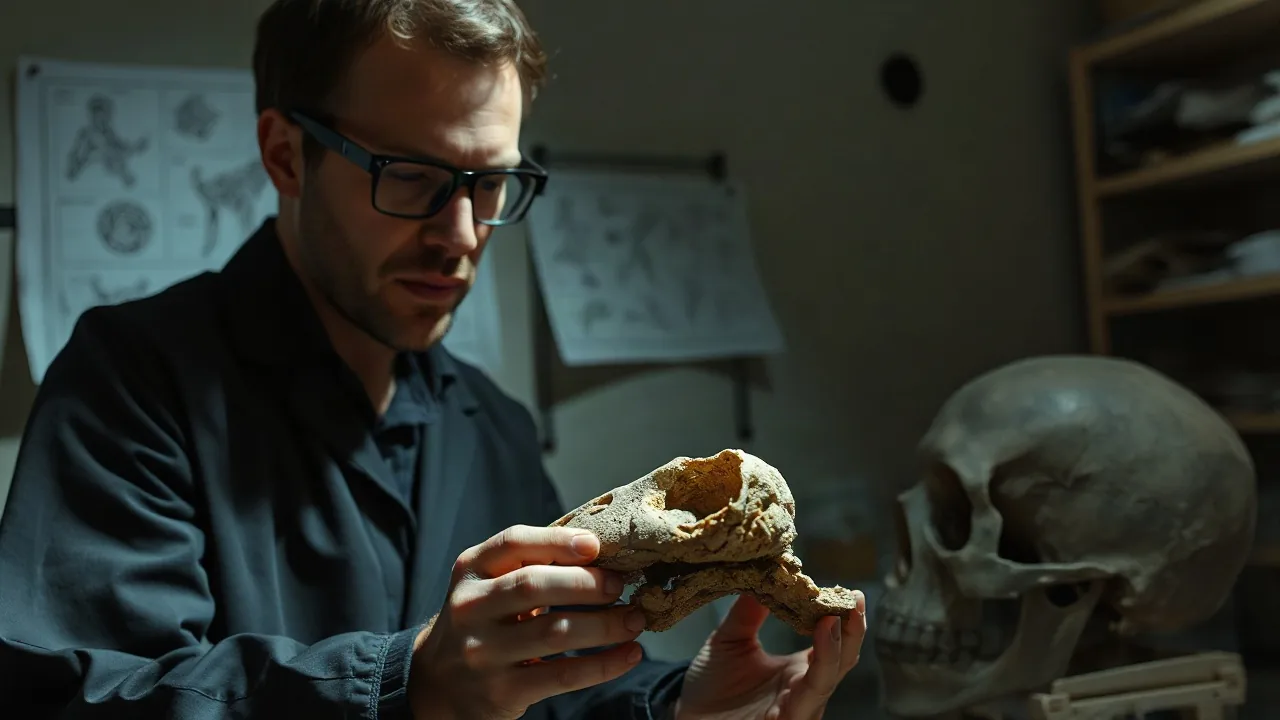
For decades, scientists have sought definitive answers to the enduring question of what caused the extinction of the Neanderthals. Now, a confluence of newly unearthed fossil evidence and advanced genetic sequencing is shedding critical light on the fate of our closest human relatives. The prevailing theories center on a combination of environmental pressures, interactions with Homo sapiens, and potential assimilation into the broader human gene pool.
Neanderthals, who inhabited Europe and parts of Asia from roughly 400,000 to 40,000 years ago, were robust hominins well-adapted to the colder climates of the Pleistocene epoch. Their disappearance coincided with the arrival and expansion of Homo sapiens into Europe. For years, the narrative often suggested direct conflict or competition for resources as the primary drivers of Neanderthal extinction. However, recent research paints a more complex picture.
A Shifting Scientific Landscape
A significant breakthrough came with the ability to extract and analyze ancient DNA from Neanderthal remains. This genetic data has revealed that many modern humans, particularly those of Eurasian descent, carry a small percentage of Neanderthal DNA – typically between 1% and 4%. This suggests that interbreeding between Homo sapiens and Neanderthals was not uncommon, and that rather than a complete replacement, a degree of assimilation occurred. This finding complicates the notion of a simple extinction event and points towards a gradual merging of populations.
"The genetic evidence is undeniable; there was interbreeding," stated Dr. Elena Petrova, a paleoanthropologist at the University of Cambridge, in a recent interview. "The question is less about *if* they mixed and more about *how* their populations ultimately declined while Homo sapiens flourished."
Further complicating the narrative are new analyses of paleoclimate data. Evidence suggests that Neanderthals experienced severe climate fluctuations, including rapid shifts between glacial and interglacial periods. These dramatic environmental changes may have strained their populations, reduced their habitats, and impacted the availability of their primary prey animals, such as reindeer and mammoths. Some researchers propose that these climatic stressors weakened Neanderthal groups, making them more vulnerable to other pressures.
The archaeological record also provides clues. Studies of Neanderthal tool use and social structures indicate they were intelligent and capable hominins, but potentially less adaptable to rapid environmental change or the social dynamics introduced by the more numerous and perhaps more socially complex Homo sapiens. Dispersal patterns of Homo sapiens across Europe show a significant expansion during the period of Neanderthal decline, leading some scientists to suggest that competition for territory and food sources, even if not overtly violent, played a crucial role.
The debate now leans towards a multifactorial explanation. It is unlikely that a single cause led to the demise of the Neanderthals. Instead, a combination of factors likely contributed: intense climate shifts impacting their environment and food sources, the gradual genetic assimilation into the larger Homo sapiens populations, and potentially increased competition for resources in a changing landscape. Understanding the fate of the Neanderthals provides a vital window into the complex dynamics of early human migration, adaptation, and the very definition of what it means to be human.