
Xreal Project Aura: New Smartglasses Aim for Immersive Android XR
Xreal's Project Aura smartglasses offer a maximalist approach to Android XR, featuring hand tracking, advanced displays, and tethered processing for immersive experiences and potential productivity.

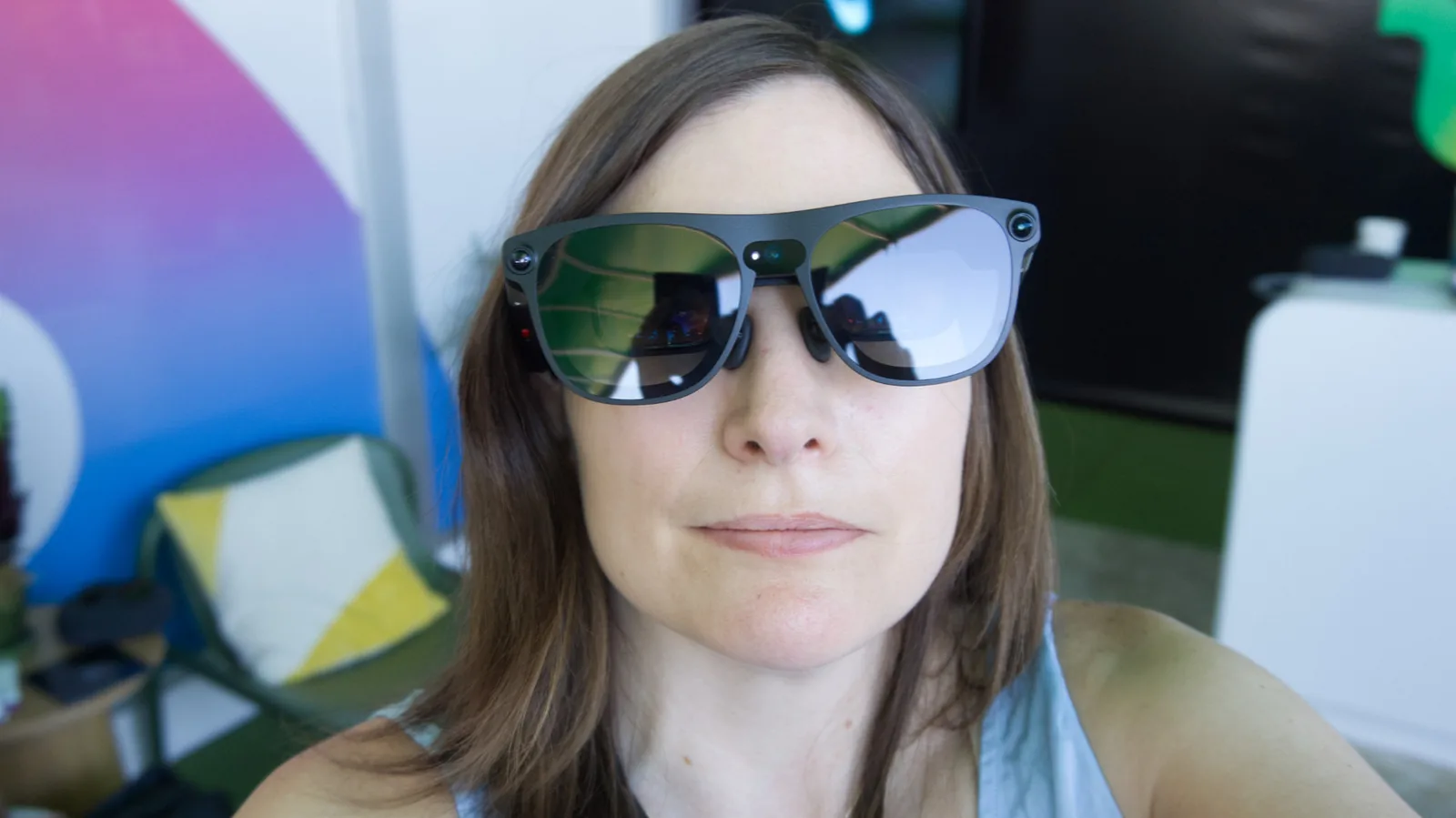
Xreal unveiled Project Aura, a new set of smartglasses designed to deliver an immersive Android Extended Reality (XR) experience. Showcased at Google I/O, these glasses represent a significant step beyond traditional AR devices, aiming for a more robust and versatile application beyond just entertainment. Unlike minimalist smart glasses, Project Aura embodies a maximalist vision, functioning as a supercharged iteration of the company's previous One Pro model.
The Project Aura glasses retain a familiar aesthetic to the One Pro frames but incorporate substantial technological upgrades. Three integrated cameras are a key addition: one on each side for precise hand tracking and a third central camera for capturing photos and videos. While Xreal has not yet disclosed full technical specifications, the reported 70-degree field of view display is impressive, offering sharp, bright visuals even in bright outdoor conditions. Users can expect a wide viewing area that accommodates content like videos and web browsing without feeling restrictive, though peripheral awareness of secondary information requires active visual scanning.
Navigation through the XR environment is designed to be intuitive, primarily utilizing a pinching gesture that will be familiar to users of other AR systems. The system demonstrated reliable hand tracking, allowing for seamless resizing and repositioning of virtual windows. A notable departure from some competitors, Project Aura employs a tethered connection to a separate processing unit, similar in concept to Apple's Vision Pro. This puck-like device, roughly phone-sized, also houses a built-in trackpad and fingerprint sensor, though these specific features were not tested during the initial hands-on period. During a roughly 20-minute demonstration in near 90-degree heat, the puck did become warm, which is a point to consider for extended use.
Expanding XR Capabilities Beyond Entertainment
Xreal showcased proprietary applications designed to highlight Project Aura's capabilities, including an AR drawing application and a program called "Gemini Molecule." The latter served as a compelling demonstration of the glasses' multimodal functions: by focusing on an object and performing a pinch gesture, the app could identify the material and display its molecular structure. Xreal confirmed that these applications were rapidly developed using Gemini, hinting at the potential for quicker third-party development once the platform is more widely available.
While the entertainment potential remains, Xreal is positioning Project Aura as a more professional-grade device. The glasses can connect to a laptop, serving as an external display. Combined with a Bluetooth keyboard, this setup suggests significant potential for productivity tasks, with one Xreal engineer reportedly having replaced their traditional monitor entirely with the Aura glasses. This focus on productivity, alongside the advanced immersive features, signals a move toward making smart glasses a more integrated part of daily workflows, not just a novelty.
The development of Android XR, powered by devices like Xreal's Project Aura, signifies a growing ambition in the augmented and virtual reality space. Google's continued investment in the Android XR platform suggests a long-term strategy to unify and expand the ecosystem. The collaboration between hardware manufacturers like Xreal and software developers is crucial for realizing the full potential of these devices. As the technology matures, we can anticipate more sophisticated applications emerging that could redefine how we interact with digital information and the physical world.