
Buck Moon, Planets Align in July 29 Celestial Show
Stargazers in July 2026 can witness the full Buck Moon accompanied by a parade of planets, including Saturn, Mars, and Mercury. The celestial event offers a prime viewing opportunity for lunar features and planetary alignment.

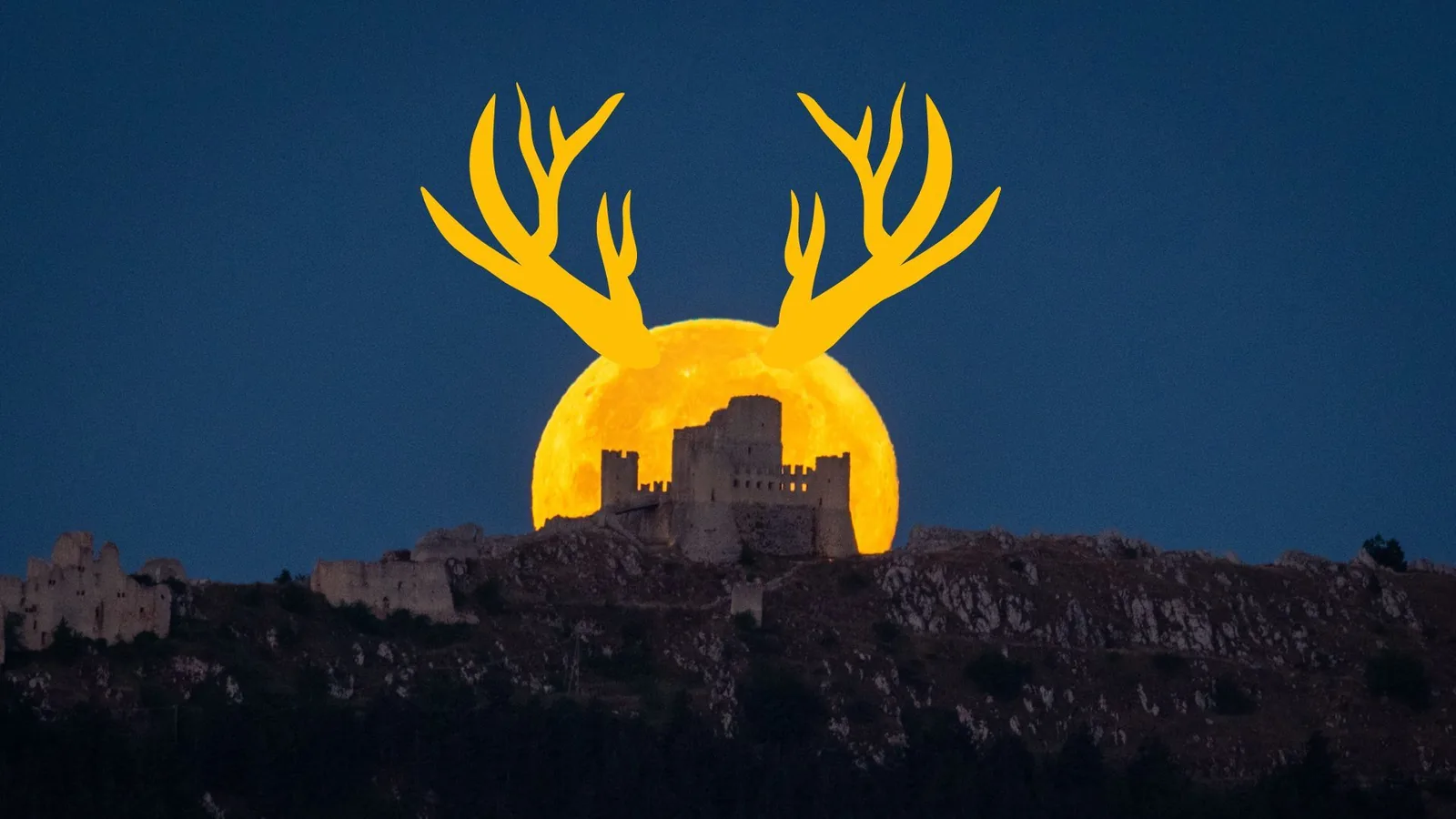
The full "Buck Moon" will rise on the evening of July 29, 2026, leading a captivating mini-parade of planets across the summer sky. This celestial spectacle will feature Saturn, Mars, and Mercury, offering skywatchers a unique opportunity to observe multiple astronomical bodies in close succession.
The lunar phase officially occurs at 10:36 a.m. EDT on July 29, when the moon will appear completely illuminated. Historically, July's full moon is known as the Buck Moon, a name derived from the time of year when male deer typically grow their new antlers. Indigenous groups also have distinct names for this moon; the Anishinaabe people call it the Berry Moon, and the Western Abenaki refer to it as the Thunder Moon, according to almanac records.
Viewers should look toward the southwestern horizon shortly after sunset to catch the full Buck Moon as it begins its ascent. A phenomenon known as the "Moon Illusion" may make the moon appear larger than usual when near the horizon, an effect caused by how the human brain processes visual cues. Additionally, as the moon travels low in the sky, Earth's atmosphere can scatter bluer wavelengths of sunlight, giving the moon an orange or yellow hue.
During the full moon, sunlight strikes the lunar surface directly, minimizing shadows and making the countless craters more apparent. This phase is an ideal time for observers to examine the moon's surface, including the vast, dark plains known as lunar seas, which were formed by ancient lava flows billions of years ago. For those equipped with binoculars or a telescope, a closer look will reveal intricate networks of bright lines, known as ejecta rays, radiating outward from younger impact craters. These features are remnants of material ejected during violent impacts that later settled back onto the lunar surface.
Planetary Alignment Joins Lunar Event
Adding to the lunar display, Venus will be visible as a bright "evening star" in the west after sunset, serving as a prelude to the planetary procession. Following Venus, Saturn, Mars, and Mercury are set to rise in the east. These planets will trail the moon in a striking arc as they move across the sky from east to west throughout the evening.
This alignment presents an excellent chance for both casual observers and dedicated astrophotographers. For those looking to capture the event, resources such as guides to photographing planets and tips for moon photography can be invaluable. Ensuring you have the right equipment, like recommended cameras and lenses for astrophotography, will enhance the experience.
The alignment of these celestial bodies serves as a reminder of the dynamic nature of our solar system and the predictable, yet always awe-inspiring, movements of planets and moons. Such astronomical events provide consistent opportunities for scientific observation and public engagement with space science, reinforcing the ongoing interest in space exploration and celestial mechanics.