
NASA Taps Tesla Cybertruck for Astronaut Rescue Duty
NASA is replacing its traditional armored MRAP vehicles with Tesla's Cybertruck for astronaut emergency escapes during launches, citing speed and ease of use.

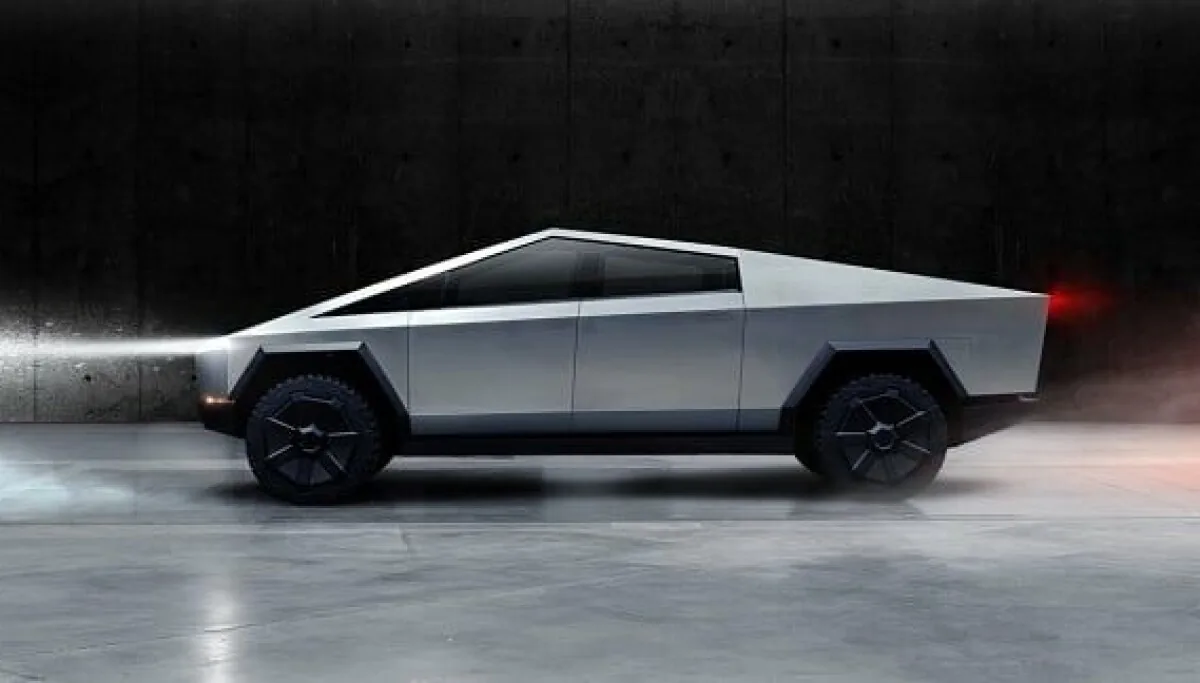
NASA has announced it will utilize Tesla's Cybertruck as the primary emergency evacuation vehicle for astronauts at the launchpad, a role previously filled by heavily armored military personnel carriers known as MRAPs. The decision for the Tesla Cybertruck comes as NASA prepares for the SpaceX Crew-13 mission, scheduled for liftoff no earlier than September 12, 2026. This marks a significant shift from the robust, military-grade MRAPs that offered substantial protection against potential threats during launches.
The change was revealed during a briefing where NASA discussed the upcoming SpaceX Crew-13 mission, which will transport four astronauts to the International Space Station aboard a SpaceX Falcon 9 rocket. SpaceX, which already employs Cybertrucks at its launch sites, will provide the vehicles for NASA's use. Joel Montalbano, deputy associate administrator at NASA’s Human Spaceflight Mission Directorate, confirmed the adoption of the Cybertruck, stating that he was not aware of any specific modifications made to the vehicles for this critical safety role.
Historically, NASA's MRAPs have been described as highly secure, with doors weighing approximately 600 pounds each and offering the feel of a bank vault, capable of functioning as a mobile bunker. In contrast, the Cybertruck, marketed by Tesla for its durable stainless-steel exterior and shatter-resistant armor glass, presents a very different profile. Despite concerns raised by a history of recalls for issues like exterior panels detaching and accelerator pedal malfunctions, NASA executives highlighted the Cybertruck's advantages. According to Montalbano, the Cybertruck is faster and easier to operate while wearing bulky astronaut gloves compared to the MRAPs. A key driver for the switch is also logistical: it eliminates the need for NASA to arrange a dedicated MRAP crew for each launch, a process deemed inefficient given SpaceX's existing use of the Cybertruck.
Shifting priorities in launchpad safety
The crew for SpaceX Crew-13 includes NASA astronauts Jessica Watkins and Luke Delaney, Canadian Space Agency astronaut Joshua Kutryk, and Roscosmos cosmonaut Sergey Teteryatnikov. They are set to join Expedition 75 on the ISS. Notably, Jessica Watkins will be the first person to reach the ISS twice using a SpaceX Dragon capsule. The expedition's scientific objectives are ambitious, focusing on exploring in-space manufacturing techniques, utilizing augmented reality and artificial intelligence for crew health monitoring, and advancing bioprinting of human tissue. The decision to use the NASA-adopted Cybertruck for astronaut safety underscores a pragmatic approach to operational efficiency, prioritizing speed and resource allocation. SpaceX has demonstrated a strong launch record in 2026, completing 90 successful launches, which suggests the Cybertruck's emergency capabilities may not be tested during this mission.
This adoption of commercial, non-military hardware for such a critical safety function raises questions about the balance between operational streamlining and the inherent risks associated with vehicles that have faced scrutiny for reliability. The Cybertruck's innovative design and perceived speed offer potential benefits, but its suitability for a life-or-death scenario on a launchpad is a departure from decades of reliance on hardened, purpose-built safety vehicles. The effectiveness and safety of this new approach will likely be closely watched by the spaceflight community.