
NASA Extends Voyager 2 Mission Using 'Big Bang' Power Saving
NASA engineers have successfully extended the operational life of the Voyager 2 spacecraft by implementing a 'big bang' power-saving maneuver. The spacecraft is now expected to continue its scientific mission for an additional year.

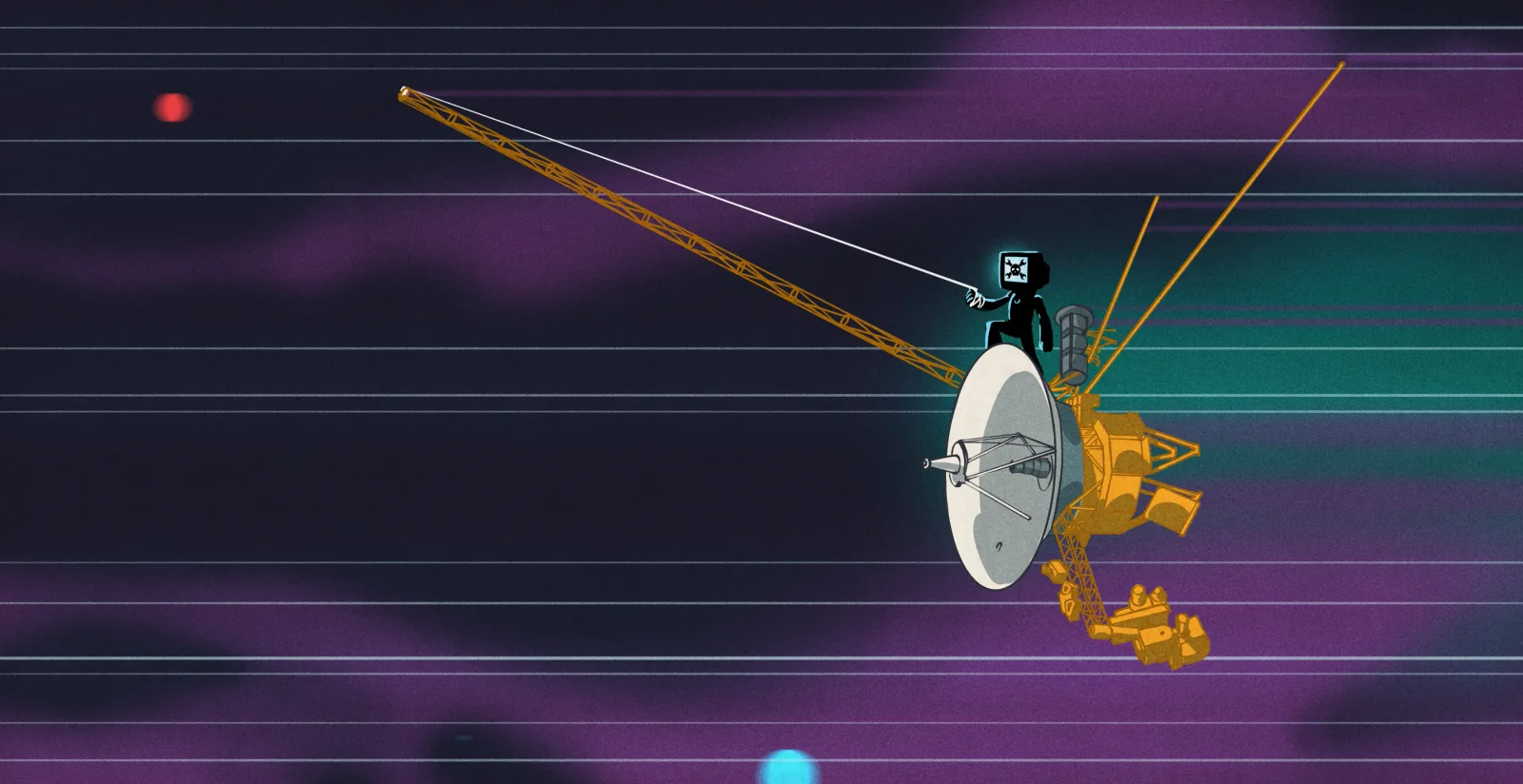
NASA engineers have successfully extended the scientific mission of the Voyager 2 spacecraft by activating a clever power-saving measure dubbed the 'big bang'. The maneuver, detailed in recent reports, involves repurposing two heaters and another critical device to conserve dwindling power reserves, potentially granting the venerable probe an extra year of operation.
The deep-space environment, while not possessing extreme cold, demands constant energy expenditure for probes to radiate away excess heat and maintain operational temperatures. The 'big bang' switch addresses this by freeing up a significant portion of the rapidly diminishing power generated by Voyager 2's radioisotope thermoelectric generator (RTG). These heaters are crucial not only for keeping sensitive electronics within their optimal operating range but also for preventing the solidification of fuel in the lines, which is necessary for maintaining the spacecraft's orientation.
Conserving Power for Extended Exploration
The successful implementation of this power-saving strategy on Voyager 2 is a testament to the ingenuity of engineers at NASA's Jet Propulsion Laboratory (JPL). While the official announcement from NASA was initially light on technical specifics, further inquiries to agency spokespersons have shed light on the operational details. The primary goal is to maximize the scientific return from a mission that has already far surpassed its original objectives, continuing to send back valuable data from the outer reaches of the solar system and beyond.
JPL is reportedly planning to perform a similar 'big bang' switch on the Voyager 1 spacecraft in the near future. This proactive measure aims to bestow a comparable boost to Voyager 1's expected lifespan, ensuring that humanity's farthest-reaching emissaries continue their groundbreaking journeys for as long as possible. The twin probes, launched in 1977, have provided unparalleled insights into the gas giants and interstellar space, becoming icons of space exploration.
The extended mission phase for both Voyagers is critical for ongoing research into the heliosphere's boundary and the nature of interstellar space. As these spacecraft venture farther from the Sun, the data they collect becomes increasingly vital for understanding our place in the cosmos. The 'big bang' maneuver represents a significant engineering feat, pushing the boundaries of what is possible with aging spacecraft technology and demonstrating a commitment to extracting every last bit of scientific value from these historic missions before they inevitably fall silent in the vastness of space.