
NASA's Lunar Lander Test Flights Pace Ambitious Artemis Moon Mission
NASA is accelerating its development of lunar landers for the Artemis program, aiming to test multiple vehicles ahead of the 2028 crewed missions. The agency describes the launch campaign as its most complex to date.

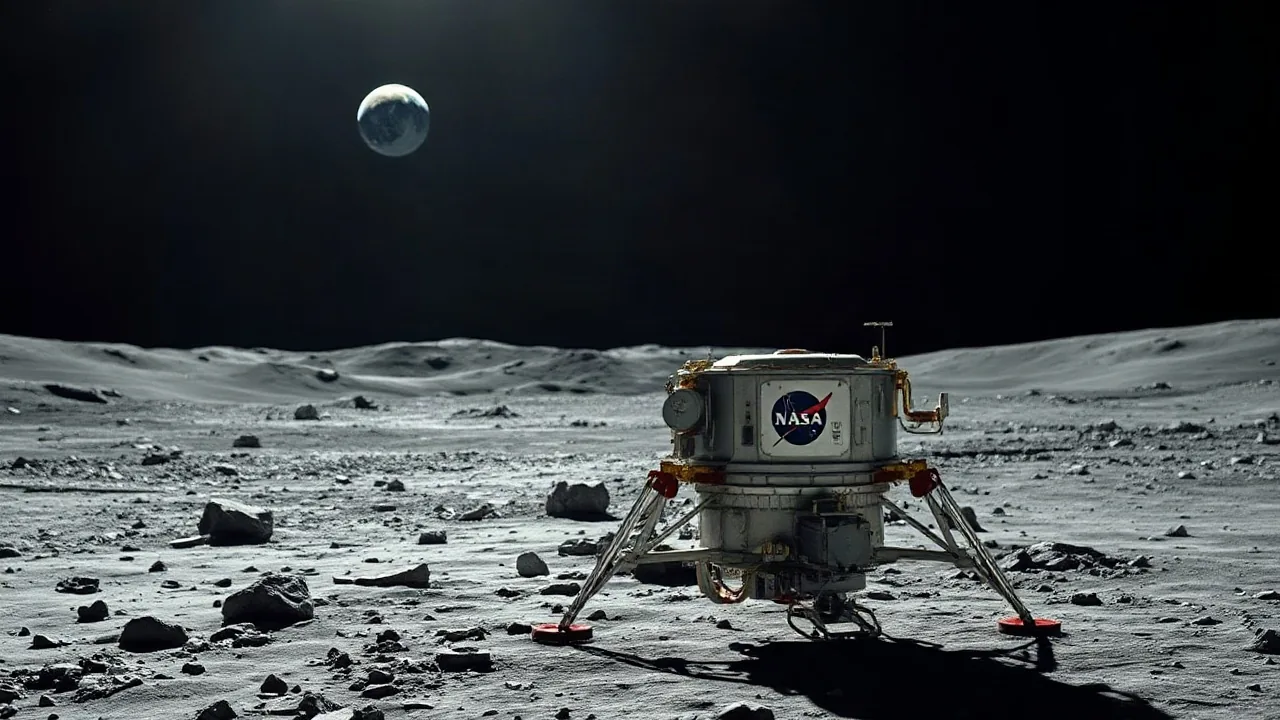
NASA is embarking on what it describes as its most complex launch campaign ever, a rapid series of test flights for lunar landers crucial to the success of the Artemis program. The agency and its commercial partners are working at an accelerated pace to ensure multiple lander systems are ready for uncrewed and eventual crewed missions to the Moon, targeting the Artemis 3 mission by 2028.
The urgency stems from the ambitious goal of establishing a sustained human presence on the lunar surface, a feat not achieved since the Apollo era. This accelerated development phase involves rigorous testing of new technologies and operational procedures designed to support astronauts on the Moon. The initial focus is on uncrewed test flights to validate the landers' capabilities before they are tasked with carrying humans.
Accelerated Lander Development
Several companies, including Intuitive Machines and SpaceX, are developing lander systems under NASA contracts. These missions are critical stepping stones toward the long-term objective of building a lunar base. The complexity lies not only in the design and construction of the landers but also in the intricate coordination required for their launches and operations. NASA officials have emphasized the need for a robust and redundant approach, acknowledging the inherent risks associated with deep-space exploration.
"We are adopting the urgency of Apollo to build a moon base and land astronauts within two years," one NASA official stated, paraphrasing the drive behind the accelerated timeline. This sentiment underscores a renewed commitment to lunar exploration, drawing parallels to the rapid technological advancements made during the original space race.
The test flights will evaluate various aspects of the landers' performance, including navigation, descent, landing precision, and the ability to operate in the harsh lunar environment. Data gathered from these missions will inform future iterations and ensure the safety of astronauts on subsequent Artemis flights. The program aims to land the first woman and first person of color on the Moon, marking a significant milestone in space exploration history.
This accelerated campaign is a departure from more traditional, incremental development cycles, reflecting a strategic decision to prioritize speed and agility in response to global ambitions in space. The success of these lunar landers is paramount, as they represent the primary means by which astronauts will reach the surface of the Moon and conduct scientific research and exploration.
The NASA program relies on a diversified approach, engaging multiple contractors to foster innovation and mitigate risks. Should one lander system encounter delays or issues, others can potentially fill the gap, ensuring the overall mission objectives remain on track. This multi-pronged strategy is a hallmark of the modern approach to complex space exploration endeavors.
Looking ahead, the Artemis program is designed to be sustainable, with plans for regular missions to the Moon. These missions will not only facilitate scientific discovery but also serve as a proving ground for technologies and operational strategies needed for eventual human journeys to Mars. The successful execution of this complex launch campaign for the lunar landers is therefore a pivotal moment for future human exploration beyond Earth.