
Perseid Meteor Shower Peaks August 12-13: How to Watch in Oregon
Get ready for a celestial show as the Perseid meteor shower reaches its peak overnight on August 12-13. Dark skies and potential fireballs promise an unforgettable viewing experience for those in the Northern Hemisphere, especially in Oregon.

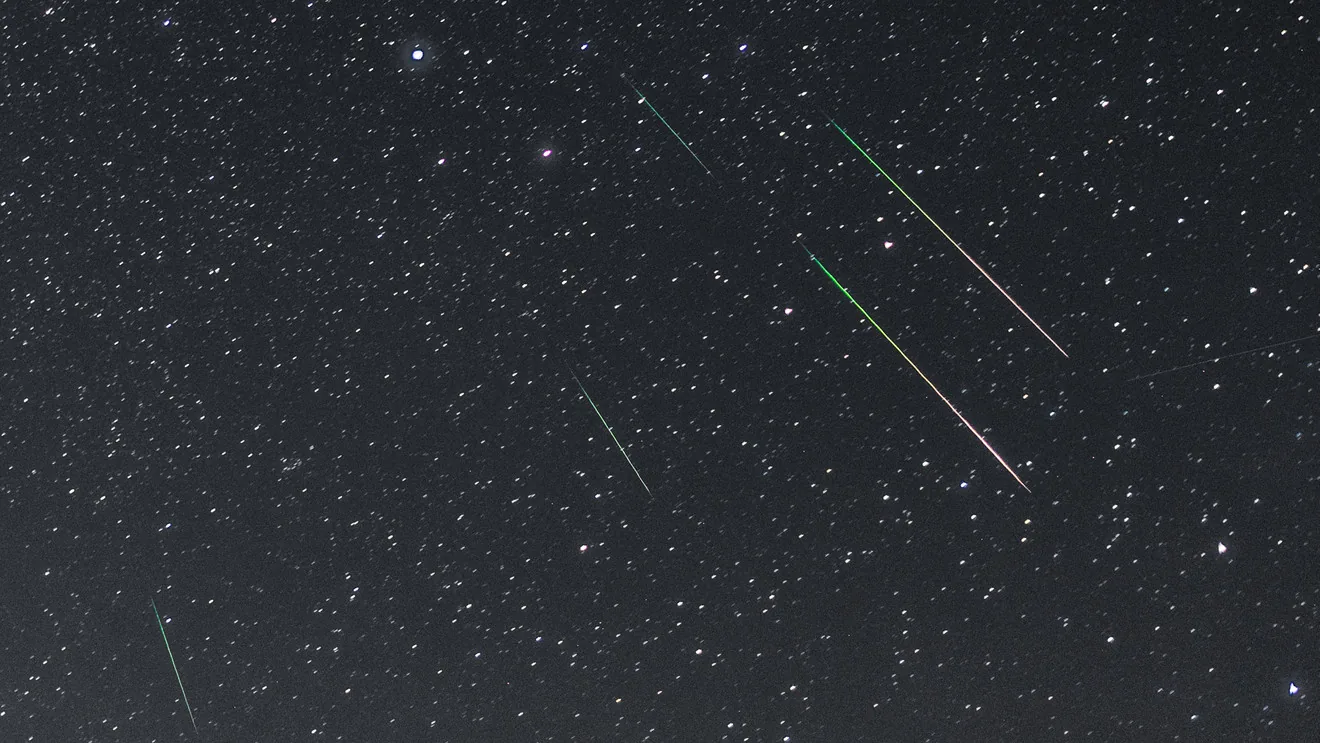
The night sky will soon be illuminated by hundreds of shooting stars as the annual Perseid meteor shower approaches its peak. The celestial event, considered one of the year's most spectacular, is expected to be highly visible overnight on August 12-13, offering skygazers a chance to witness up to 100 meteors per hour under optimal conditions. Earth's passage through the debris trail left by the comet Swift-Tuttle creates the Perseids each year, with particles burning up in the atmosphere to produce bright streaks of light. This year's viewing is particularly promising due to the new moon phase beginning Wednesday, August 12, which will result in darker skies free from lunar interference.
The Perseids are known for producing brilliant fireballs, which are exceptionally bright meteors resulting from larger fragments of cometary material. While the meteor shower officially began in mid-July, the prime viewing window is the upcoming mid-August peak. The new moon, occurring on August 12, will position itself between the Earth and the sun, with its unlit side facing our planet. This configuration minimizes moonlight, creating the ideal dark canvas for observing the meteor shower's brilliance.
Viewing Opportunities and Tips
For those in Oregon, the Oregon Museum of Science and Industry (OMSI) is hosting a public viewing event on August 12 at both L.L. Stub Stewart State Park and Rooster Rock State Park. Sponsored by OMSI, Rose City Astronomers, and Oregon Parks and Recreation, the event will provide telescopes for attendees, although they are not strictly necessary to enjoy the shower. Binoculars can also enhance the experience. Residents anywhere in the Northern Hemisphere can typically observe the Perseids, provided they are away from significant light pollution.
For those unable to attend an organized event or who prefer observing from home, NASA's Marshall Space Flight Center will stream a virtual meteor shower watch party on its YouTube channel starting at 9 p.m. PDT on August 12. Skywatchers are advised to find a location with minimal artificial light, allow their eyes to adjust to the darkness for at least 20-30 minutes, and look towards the constellation Perseus, from which the meteors appear to emanate. While Perseus gives the shower its name, the meteors can be seen anywhere in the sky.
The Perseid meteor shower offers a reliable and stunning annual display, reminding viewers of the vastness of the cosmos and the dynamic nature of our solar system. The comet Swift-Tuttle, responsible for the Perseid debris, has an orbital period of about 133 years, meaning Earth encounters its dust trail periodically. The intensity of the shower can vary from year to year depending on Earth's specific path through the debris stream.