
Perseid Meteor Shower Peaks This Week: How to See the Dazzling Light Show
The annual Perseid meteor shower is set to peak this week, offering ideal viewing conditions for the Northern Hemisphere. Up to 100 meteors per hour may be visible.

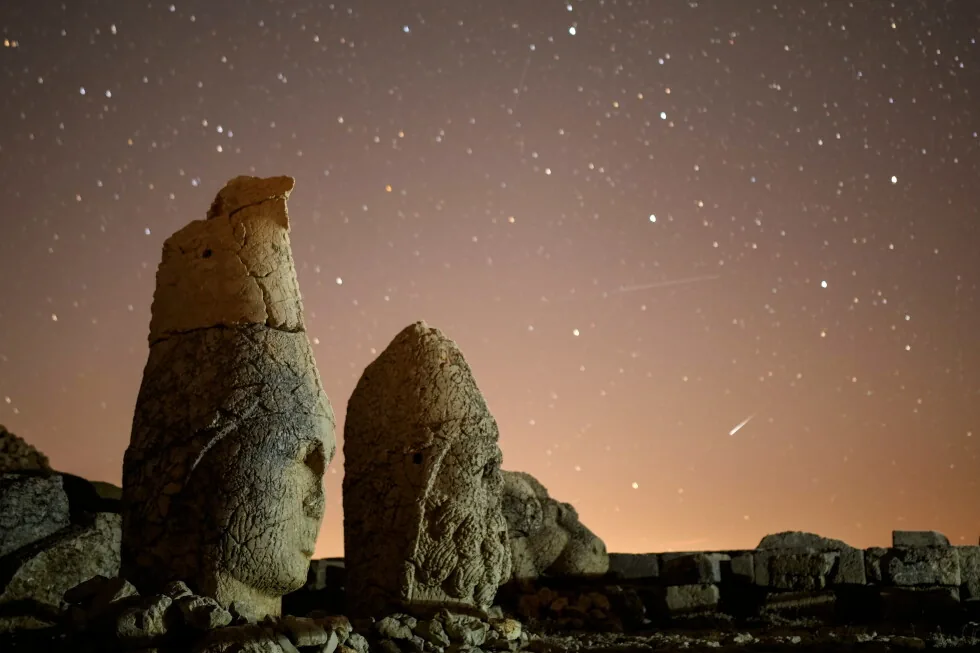
The annual Perseid meteor shower is returning, promising a spectacular celestial display for observers in the Northern Hemisphere. This year's peak, occurring Wednesday night into Thursday morning, coincides with a rare six-planet alignment and a total solar eclipse visible in parts of Europe, though the best viewing for the meteors will be after the eclipse's totality. Under ideal conditions, skywatchers could witness between 50 and 100 meteors per hour, according to NASA. The American Meteor Society suggests that rural areas might see 30 to 50 meteors per hour.
Meteor showers are a predictable annual event, occurring when Earth passes through the debris trails left by comets or asteroids. These remnants streak through our atmosphere at high speeds, creating the streaks of light commonly called shooting stars. The Perseids are generated by debris from Comet 109P/Swift-Tuttle, an icy body with a 133-year orbit, not due to return until 2125. This particular shower has been observed for over two millennia and is a favorite due to its frequent brilliant fireballs.
"We don’t have to suffer through a cold winter night to get a good view of meteors," said astronomer Zach Vanderbosch of the McDonald Observatory in Texas. This summer timing, combined with favorable lunar conditions, enhances the viewing experience. The moon will be in its new phase, meaning minimal moonlight will wash out the fainter meteors.
"The moon is beautiful, but it’s such a diva," commented astronomer Aparna Venkatesan from the University of San Francisco. "New moon means we don’t have moonlight flooding the sky, and you tend to see way more meteors as a result." She added that this lack of moonlight significantly improves the chances of seeing more shooting stars.
Tips for Optimal Viewing
To best observe the Perseid meteor shower, experts advise venturing outdoors after dusk, away from urban light pollution and cloud cover. Venkatesan plans to travel to the Sierra Nevada for her viewing experience. The prime viewing window is between midnight and dawn, when the constellation Perseus, the shower's radiant point, is high in the northern sky. Meteors will appear to originate from this constellation.
It is recommended to look up and allow your eyes at least 30 minutes to fully adapt to the darkness. "There’s just something magical about it," shared Vanderbosch. He suggests focusing on a broad area of the sky. Even quick, bright streaks passing through your peripheral vision are likely meteors. He also cautioned against looking at phone screens, which can disrupt night vision and diminish the experience of watching the celestial event.
The Perseids are a reliable annual spectacle, providing a consistent and often breathtaking display of cosmic fireworks. This year, the combination of its inherent brilliance and optimal viewing conditions presents a prime opportunity for both casual observers and dedicated stargazers to witness a truly memorable astronomical event. Remember to dress appropriately for the late-night hours, even during summer, and enjoy the fleeting trails of light against the vast canvas of the night sky.