
Perseid Meteor Shower Peaks This Week: Best Viewing Tips
The annual Perseid meteor shower will reach its peak this week, offering a dazzling celestial display. Ideal viewing conditions are expected across the Northern Hemisphere.

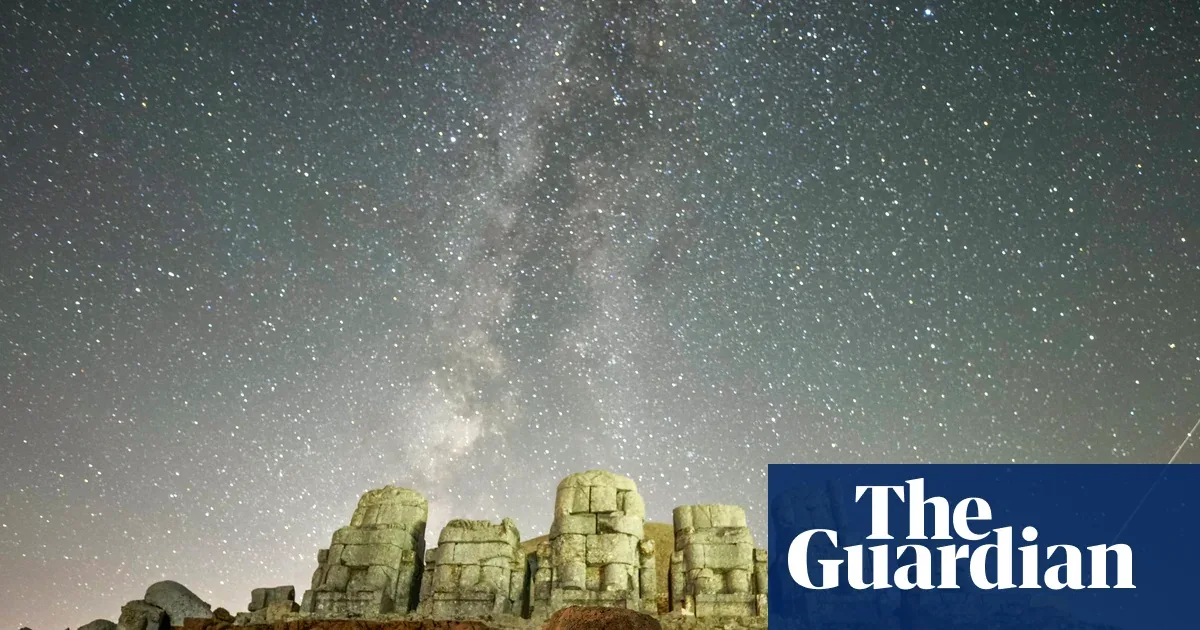
The highly anticipated Perseid meteor shower is set to illuminate the night sky for observers across the Northern Hemisphere this week, reaching its peak on Wednesday night into Thursday morning. This year's display promises exceptional viewing conditions, with the moon in its new phase, minimizing light interference and allowing more meteors to shine through.
Skywatchers can expect to see between 30 to 100 meteors per hour, depending on local conditions and light pollution. Astronomers note that rural areas with dark skies may offer the best vantage points. The Perseids are debris trails left by Comet 109P/Swift-Tuttle, an icy celestial body that orbits the sun every 133 years. These remnants collide with Earth's atmosphere at high speeds, creating the streaks of light commonly known as shooting stars.
Understanding the Celestial Spectacle
This annual meteor shower has a long history, with observations dating back over 2,000 years. The Perseids are particularly popular due to their tendency to produce brilliant fireballs and the pleasant summer temperatures that make viewing more comfortable. "We don’t have to suffer through a cold winter night to get a good view of meteors," said astronomer Zach Vanderbosch of the McDonald Observatory in Texas. The timing of this year's peak is particularly fortunate, coinciding with the new moon phase. "New moon means we don’t have moonlight flooding the sky, and you tend to see way more meteors as a result," explained astronomer Aparna Venkatesan from the University of San Francisco.
To make the most of the celestial event, experts advise seeking out locations away from city lights and cloud cover. The best viewing window will be between midnight and dawn, when the constellation Perseus, the shower's radiant point, is high in the northern sky. It's recommended to allow your eyes at least 30 minutes to adjust to the darkness. "There’s just something magical about it," Vanderbosch added, suggesting observers focus on a patch of sky and be patient for the quick, bright streaks to appear, even in peripheral vision. He also recommends avoiding looking at phone screens, which can disrupt night vision.