
SpaceX to Launch Secret U.S. Space Force Mission from California
SpaceX is set to launch a classified mission for the U.S. Space Force from Vandenberg Space Force Base in California. The Falcon 9 rocket launch is scheduled for Saturday, September 26, 2026.

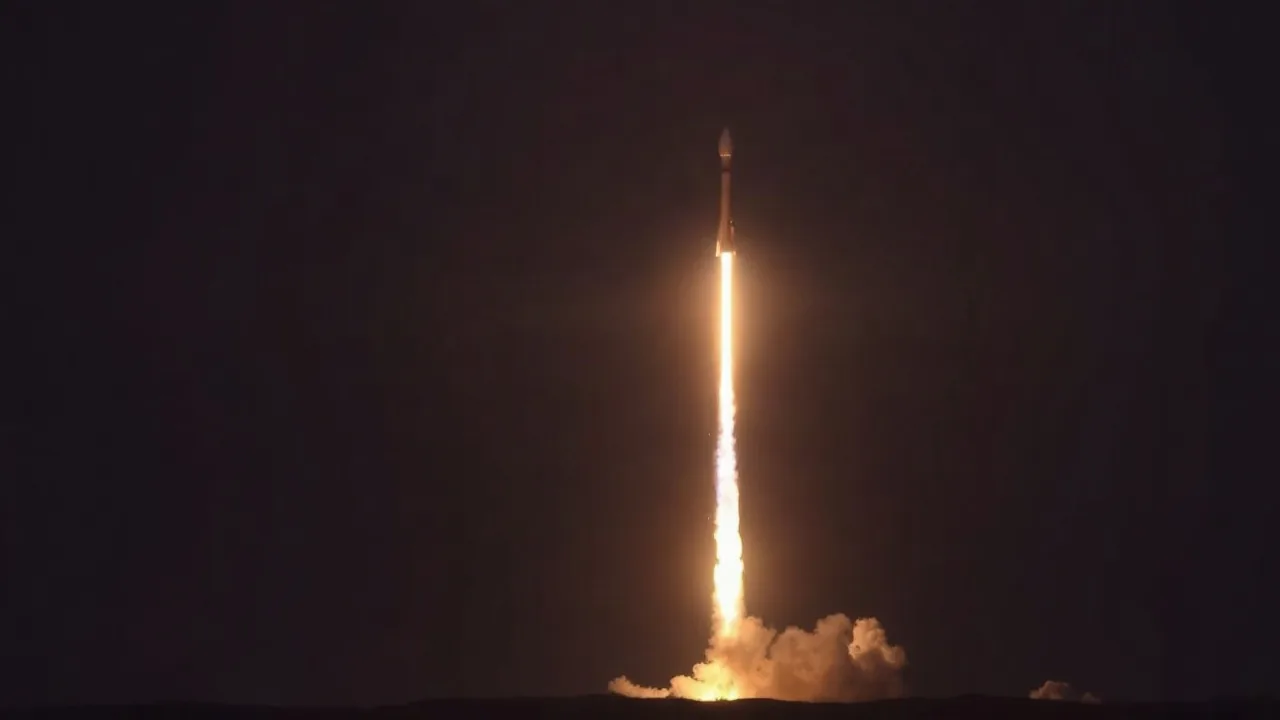
SpaceX is slated to lift off a classified mission for the U.S. Space Force from the West Coast on Saturday morning, September 26, 2026. The launch window opens at 7:45 AM PST from Vandenberg Space Force Base in California. While the specific payload and objective of the mission, designated USSF-385, remain undisclosed by officials, its nature points to a significant national security operation conducted by the U.S. military's burgeoning space arm.
This mission marks another critical deployment for the U.S. Space Force, which has increasingly relied on private launch providers like SpaceX to bolster its capabilities and ensure rapid access to space for its assets. The secrecy surrounding the mission is standard practice for national security space launches, aimed at preventing potential adversaries from gaining intelligence about advanced U.S. military technology or operational plans. The Falcon 9 rocket, known for its reliability and reusability, is the workhorse behind many of these sensitive launches.
National Security Implications and Launch Cadence
The deployment of assets under classified missions is vital for maintaining strategic advantages in space, a domain now recognized as crucial for modern warfare and intelligence gathering. The U.S. Space Force, established in December 2019, is tasked with organizing, training, and equipping space professionals to protect U.S. interests in space and provide space-related capabilities to the joint force. Missions like USSF-385 are instrumental in building out the Space Force's constellation of satellites, which support a wide range of operations, from communications and navigation to advanced surveillance and missile warning.
SpaceX has demonstrated a remarkable launch cadence in 2026, successfully delivering numerous payloads for commercial, scientific, and governmental clients. This operational tempo allows for frequent updates and expansions of vital satellite networks. Reports suggest this launch could be part of a series of deployments aimed at enhancing U.S. space-based intelligence, surveillance, and reconnaissance capabilities. The successful and timely execution of such missions is paramount for national security in an increasingly complex geopolitical landscape.
Officials have not released details regarding the specific type of satellite or technology being deployed, but speculation often centers on advancements in electronic intelligence gathering, secure communications, or next-generation missile tracking systems. The successful deployment of these advanced capabilities is essential for both peacetime intelligence and wartime operations, underscoring the strategic importance of U.S. Space Force missions.
Residents in Southern California may be able to catch a glimpse of the rocket as it ascends. The SpaceX Falcon 9 will ascend eastward, and depending on atmospheric conditions and the trajectory, a visible plume might be observed along the California coast. The company's consistent success rate with the Falcon 9, particularly for critical national security payloads, has solidified its position as a key partner for the U.S. military's space ambitions.