
SpaceX Starlink Mission: 27 Satellites Launched from California
SpaceX successfully deployed 27 Starlink satellites into orbit on Saturday, launching from Vandenberg Space Force Base in California. The Falcon 9 rocket performed a flawless ascent and return.

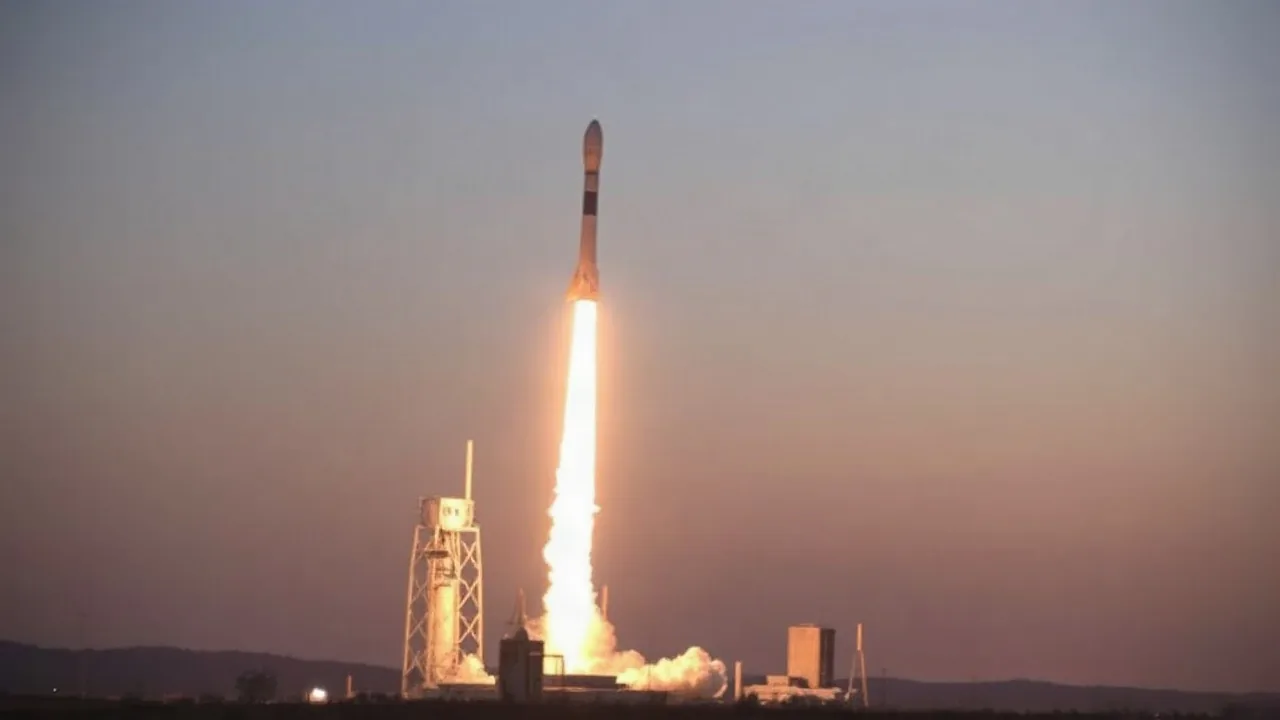
SpaceX launched 27 Starlink V2 Mini satellites into orbit on Saturday, September 19, 2026, from Vandenberg Space Force Base in California. The mission, designated Group 15 for the Starlink constellation, utilized a Falcon 9 rocket for its ascent. This launch adds to the ever-expanding network of satellites designed to provide global internet access.
The Falcon 9 rocket lifted off from its launch pad at Vandenberg, a critical site for many orbital missions due to its location on the West Coast. Following stage separation, the first stage of the rocket successfully returned and landed vertically on the droneship 'A Shortfall of Gravitas' stationed in the Pacific Ocean. This reusability is a cornerstone of SpaceX's strategy to reduce launch costs and increase flight frequency.
Adding to the Starlink Network
The Starlink project, spearheaded by Elon Musk's SpaceX, aims to create a satellite constellation that offers high-speed, low-latency internet service to underserved and remote areas worldwide. As of this launch, the constellation comprises thousands of satellites, with continuous deployments planned for the foreseeable future. The V2 Mini satellites are an improved iteration, designed to offer enhanced capabilities compared to earlier versions.
This latest launch is part of SpaceX's ambitious schedule for 2026. The company has been a dominant player in the commercial space launch sector, frequently delivering payloads for both its own constellations and for external clients. The successful deployment of these 27 satellites underscores SpaceX's operational efficiency and its commitment to expanding the Starlink service's reach. Internet connectivity is becoming increasingly vital, and services like Starlink are crucial for bridging the digital divide.
The ability to launch and land boosters reliably is a key factor in SpaceX's rapid deployment strategy. Each successful landing and refurbishment of a Falcon 9 first stage enables quicker turnarounds for subsequent missions. This specific mission highlights the successful integration of launch operations, satellite deployment, and booster recovery, showcasing a mature and robust launch system. The ongoing development and expansion of the Starlink internet service are vital for global digital infrastructure.