
What Does NASA Stand For? The Agency's Mission Explained
NASA stands for the National Aeronautics and Space Administration, the federal agency leading U.S. space exploration and scientific research since 1958. Learn the history and meaning behind the acronym.

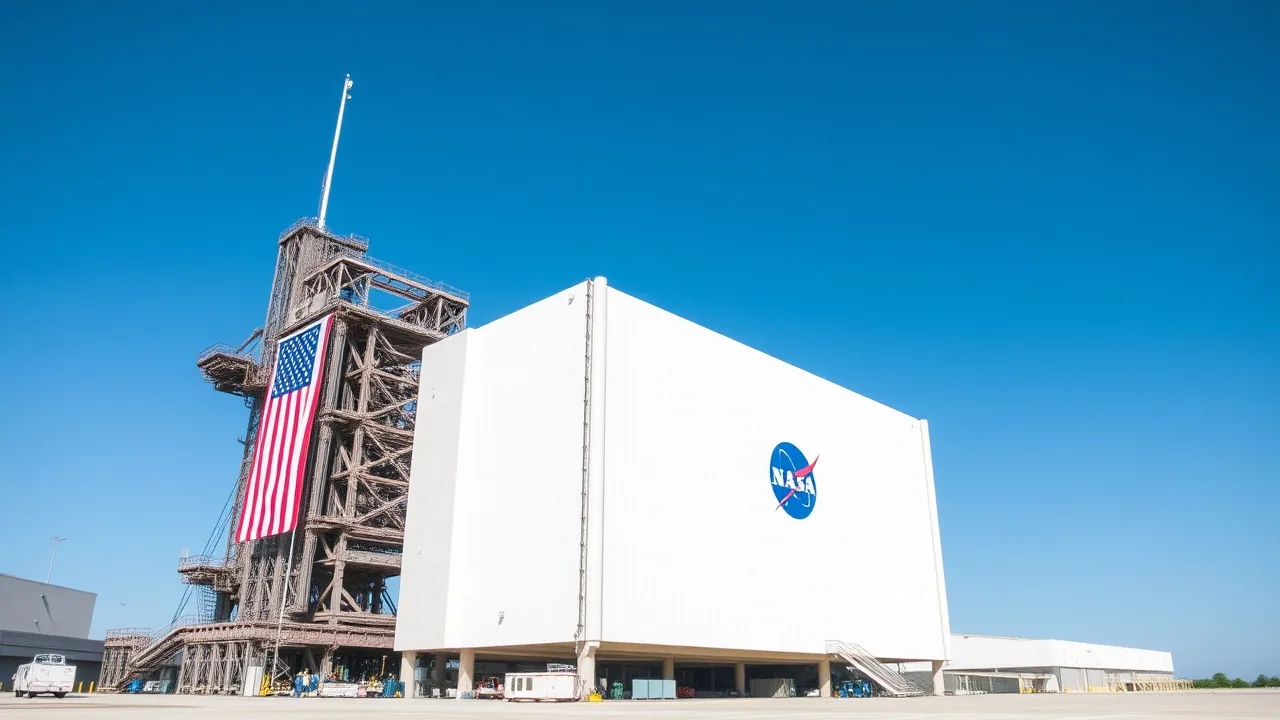
On May 21, 2026, millions of Americans continue to search for the full meaning behind one of the world's most recognizable acronyms: NASA. The National Aeronautics and Space Administration, established in 1958 during the Cold War space race, remains the primary driver of American space exploration and scientific discovery.
NASA's four-letter designation breaks down into its formal name: National Aeronautics and Space Administration. The agency was created when President Dwight D. Eisenhower signed the National Aeronautics and Space Act on July 29, 1958, just months after the Soviet Union launched Sputnik 1 in October 1957. That moment of competition spurred the United States to organize its scattered space efforts into a single, focused federal agency.
The word "aeronautics" refers to aircraft and flight within Earth's atmosphere, while the space component addresses exploration beyond it. Together, they define an organization tasked with civilian exploration, research, and technological advancement across both domains.
The Historical Context of NASA's Creation
The founding of NASA occurred at a pivotal moment in American history. Soviet success with Sputnik created a sense of technological urgency across the U.S. government and public. Eisenhower recognized that a unified civilian agency would better coordinate American efforts than the fragmented military programs that had existed previously.
Dr. Keith Cowing, director of NASA Watch, an independent monitoring organization, noted in 2026 that "the original vision for NASA reflected a commitment to peaceful exploration and scientific research, not just military competition. That distinction shaped the agency's culture from day one and continues to influence how it operates today."
NASA's first administrator, T. Keith Glennan, took office in August 1958 and began consolidating existing programs. The agency absorbed the earlier National Advisory Committee for Aeronautics (NACA) and its facilities, establishing the foundation for decades of achievement in space exploration.
What NASA Does Today
In 2026, NASA operates across multiple mission areas that extend far beyond the initial space race focus. The agency manages space exploration programs including crewed missions to low Earth orbit and preparation for lunar return missions under the Artemis program. Its robotic rovers continue exploring Mars, while its telescopes peer into the deepest regions of the universe.
NASA's core divisions include:
- Human Exploration and Operations, managing crewed spaceflight and the International Space Station
- Aeronautics Research, developing advanced aircraft and aviation technologies
- Science, conducting Earth observation, planetary exploration, and astrophysics research
- Space Technology, advancing capabilities for future missions
The agency employs approximately 18,000 people across 10 field centers and multiple facilities nationwide. Its annual budget in 2026 stands at roughly $25 billion, making it one of the largest federal research agencies.
Beyond direct space missions, NASA conducts extensive Earth science research. Its satellites monitor climate change, weather patterns, and environmental conditions. The scientific discovery generated from these programs informs policy decisions and public understanding of planetary health.
NASA's Mission and Future Direction
The agency's stated mission emphasizes exploration, innovation, and scientific advancement. Unlike some other nations' aerospace agency programs, NASA maintains a civilian focus with its work shared openly through scientific publications and public data repositories.
Current priorities include advancing NASA mission objectives toward sustainable lunar exploration, preparing for human Mars missions in the 2030s, and maintaining leadership in space science. The agency collaborates with commercial partners like SpaceX and Blue Origin, marking a significant shift from earlier decades when NASA handled all spaceflight operations directly.
The acronym NASA may stand for a single government agency, but its influence spans academia, private industry, and international partnerships. Universities conduct research using NASA funding. Companies develop technologies to meet NASA specifications. International space agencies coordinate with NASA on joint missions.
Understanding what NASA stands for requires recognizing not just the acronym's literal meaning, but the organization's role as the primary institution shaping American space exploration policy and scientific research. Since 1958, the National Aeronautics and Space Administration has remained central to how Americans understand their place in the cosmos.