
Pixel Watch 5 Enhances AI, Health Tracking with New Features
Google's Pixel Watch 5 introduces advanced AI capabilities and proactive health monitoring, including emergency detection and trend analysis for blood pressure and insulin resistance.

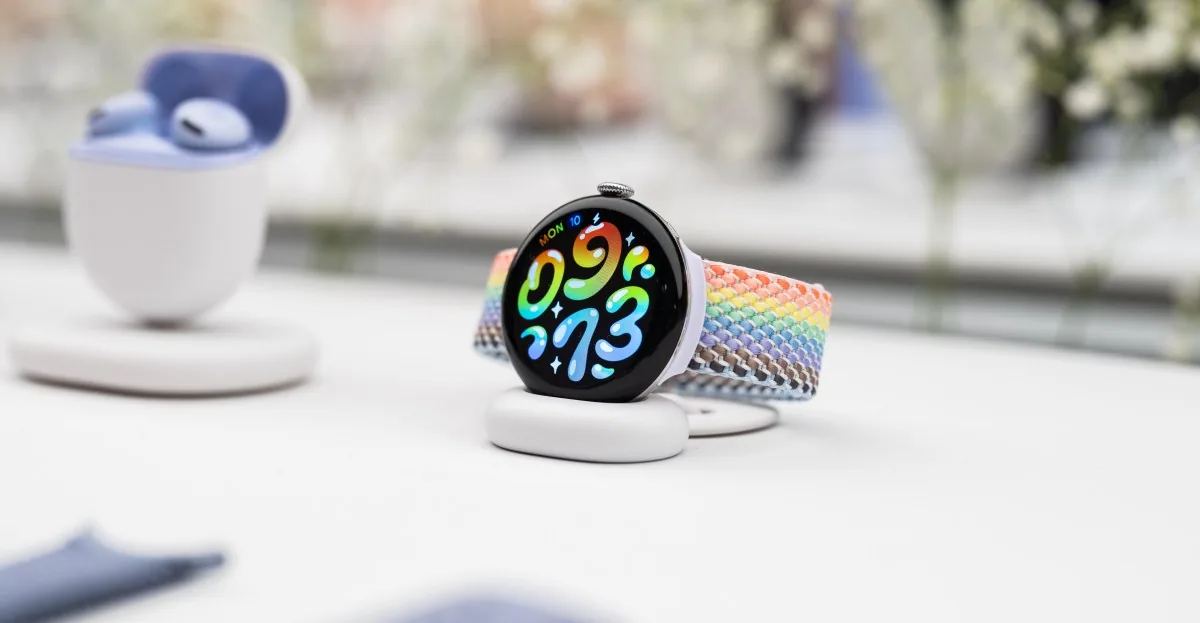
The new Google Pixel Watch 5, released August 2026, is placing a significant emphasis on software advancements, particularly in artificial intelligence and health tracking, rather than substantial hardware overhauls. While the device features minor upgrades like a faster processor and a slight battery increase, alongside new design options and a Steph Curry Special Edition, its core innovations lie in enhanced AI integration and proactive health features, building upon themes introduced earlier in 2026. The $399 smartwatch is now available for pre-order, with general availability set for August 20th and the special edition launching September 3rd.
This year's refresh sees improvements to Gemini, Google's AI assistant, including offline capabilities for basic tasks such as setting timers and launching apps. Gemini is also designed to be more proactive, with features like suggesting calendar checks based on incoming texts. A new icon on the watch face provides real-time information for timers, ride estimates, and workouts. Enhanced gesture controls, initially introduced via a software update in December 2025, are now more deeply integrated into the Wear OS 7 interface. Users can also leverage AI to create custom watch faces, though early results, like generating a "fat cat" theme, suggest some creative limitations.
Advanced Health Monitoring Features
The most notable new health feature is Breathing Emergency Detection, an extension of last year's 'Loss of Pulse' functionality. When the watch detects a significant drop in blood oxygen saturation (SpO2) for an extended period, it can automatically initiate a call to emergency services and designated contacts. To minimize false alarms, the system uses a combination of heart rate, motion, and altitude sensors. This feature is slated for release in Europe on the Pixel Watch 4 and 5, with FDA clearance pending in the US. Additionally, the Pixel Watch and Fitbit Air will track nightly sleep breathing quality, offering monthly trend reports to show how daily activities impact respiratory health over time. Both devices will also introduce Blood Pressure Trends and Insulin Resistance Trends, scheduled for rollout in September 2026. These are wellness features designed to act as early warning indicators, requiring at least a week of data and providing monthly summaries. They are not diagnostic tools but aim to flag potential health shifts.
The Blood Pressure Trends feature estimates blood pressure fluctuations by analyzing blood flow using the optical heart rate and motion sensors, feeding the data into an AI model to approximate trends. While other wearables offer similar insights, Google's approach to non-invasive insulin resistance tracking is a novel development. Insulin resistance, a condition where the body struggles to metabolize food effectively, can lead to fatigue and weight gain, and potentially Type 2 diabetes if untreated. This feature will passively assess trends based on metrics like heart rhythm, sleep quality, and daily activity, aiming to identify sustained metabolic stress over a month. Google validated its algorithm through a peer-reviewed study in Nature, using blood draws as a benchmark, though it emphasizes this is not for direct glucose monitoring or diabetes screening.
Beyond health, the Pixel Watch 5 boasts improved fitness tracking. Google claims its dual-frequency GPS, enhanced by satellite and weather station data, along with 3D building models from Google Maps, will offer superior accuracy over competitors like the Garmin Fenix 8 and Apple Watch Ultra 3 by using AI for post-processing corrections. The smartwatch also integrates AI-generated strength training plans, allowing users to log reps and progress directly on the wrist without a connected phone. These advancements are intended to feed into Google's AI Health app coach, which requires a Google Health Premium subscription. Despite being a work in progress, these updates represent a strategic move toward building a comprehensive long-term AI health roadmap.