
Straus Creamery Ice Cream Recall Exposes Food Safety Tech Gap
A contamination incident at Straus Creamery highlights critical weaknesses in real-time food safety monitoring and traceability systems across the US dairy industry.

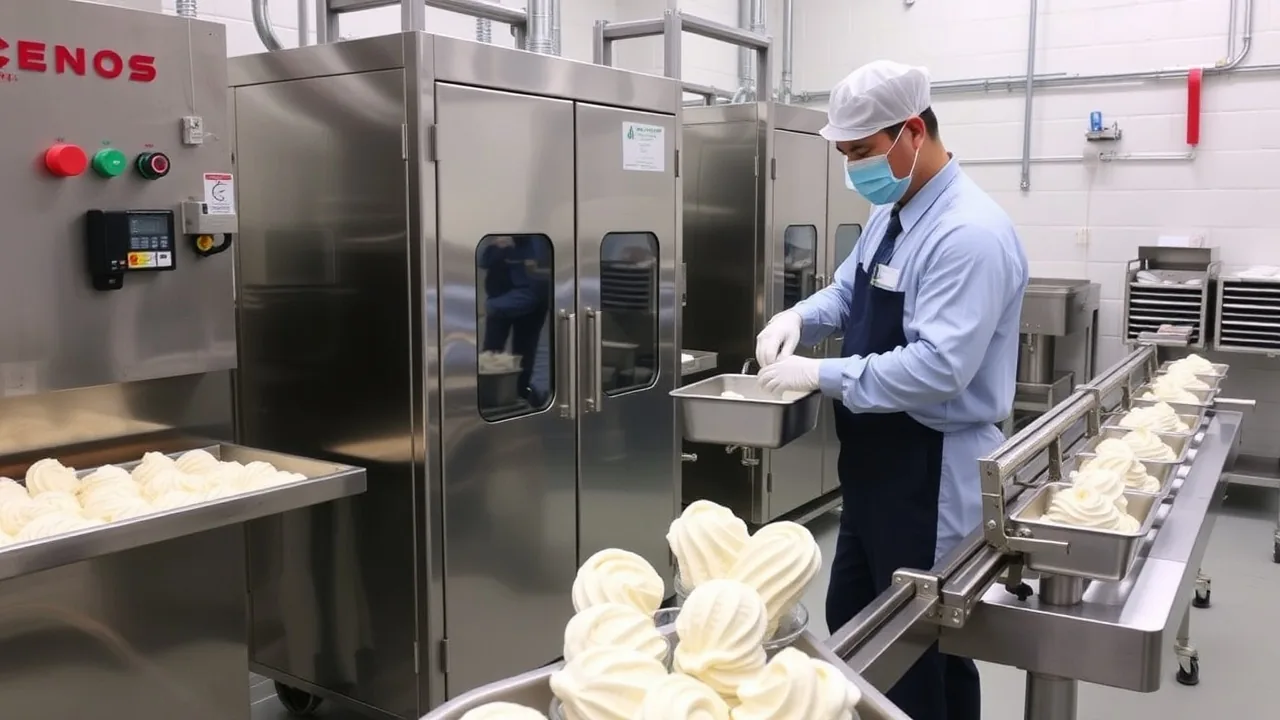
Straus Family Creamery, a organic dairy producer based in Marin County, California, issued a voluntary recall of ice cream products in May 2026 after detecting pathogenic contamination during routine quality testing. The recall affected multiple production batches and prompted questions about whether modern food safety technology could have prevented or caught the problem sooner.
The contamination discovery came weeks after products had already reached retail shelves across California and neighboring states. This lag between production and detection underscores a persistent vulnerability in how US food manufacturers track and monitor safety in real time, even among operations with strong reputations for quality.
"The Straus incident reveals that even companies with decades of commitment to food safety can face gaps when technology doesn't keep pace with scale," said Dr. Jennifer Chen, senior analyst at the Food Safety Research Institute, a nonprofit tracking industry compliance trends. "Real-time pathogen detection at the production line remains expensive and rare in smaller facilities."
Current State of Food Safety Monitoring
Most US dairy and frozen-food manufacturers still rely on post-production testing and batch sampling rather than continuous environmental monitoring. Straus Creamery's recall underscores how this approach creates inevitable delays in identifying contamination.
The company operates its own processing facility and has marketed its products on strict organic and local-production credentials. Yet the recall shows that brand reputation and operational scale alone do not guarantee protection against all pathogens. Food safety tech solutions like real-time ATP bioluminescence sensors, rapid PCR analysis systems, and automated environmental swab mapping exist but remain capital-intensive and require trained personnel.
According to a 2026 survey by the National Association of State Departments of Agriculture, fewer than 30% of mid-sized dairy processors have invested in automated pathogen-detection systems. Most smaller operations rely on quarterly or monthly testing protocols, meaning contamination can persist for weeks before discovery.
The cost barrier is significant. A fully integrated supply chain traceability and safety platform can exceed $500,000 in setup, plus ongoing maintenance and training. For a creamery with annual revenues under $50 million, that investment competes with other operational priorities.
Traceability Gaps and Recall Speed
When Straus Creamery issued its recall, the FDA and state health officials had to manually track which retailers, restaurants, and distributors had received the affected batches. This manual traceability process consumed days of coordination across state lines.
Modern product recall systems like blockchain-based lot tracking and cloud-connected batch databases can pinpoint affected inventory in hours rather than weeks. Several larger dairy producers, including Dean Foods and Organic Valley, have begun deploying such systems, but adoption remains spotty across the industry.
The FDA's proposed Food Traceability Rule, expected to finalize in 2027, will require all food manufacturers to implement standardized traceability within 10 years. The Straus recall serves as a test case for why that mandate is overdue.
"Traceability is not just about speed; it's about consumer protection at scale," explained Marcus Odom, director of compliance at the Dairy Industry Association. "Without automated systems, recalls become blunt instruments. Facilities may pull far more product than necessary, harming business and creating waste, or miss some contaminated inventory because tracking falls through cracks."
Risk Assessment and Regulatory Pressure
Straus Creamery has not disclosed the specific pathogen detected in its ice cream, but industry analysts suspect Listeria monocytogenes, a cold-loving bacterium that can survive freezing and has caused several dairy-related outbreaks in recent years. Listeria detection in frozen products is rare but devastating when it occurs.
The food industry is now facing intensifying pressure to adopt preventive controls and environmental monitoring standards. The FDA's Food Safety Modernization Act (FSMA) mandates hazard analysis for all processors, but enforcement and verification of those plans remain inconsistent.
Several state health departments have opened investigations into Straus Creamery's sanitation protocols and equipment maintenance records. Preliminary findings suggest that environmental monitoring data was not systematically reviewed or shared across production shifts, a common breakdown in smaller operations.
Straus Creamery has stated that it is implementing additional third-party testing, equipment upgrades, and staff training. The company is also exploring partnership with food safety consulting firms to establish more frequent environmental swabbing protocols.
For competitors and peer facilities, the recall is a cautionary reminder that operational maturity in organic and local markets does not equal automatic food safety resilience. The most vocal advocates of farm-to-table and organic supply chains are now under scrutiny for whether their smaller scale and artisanal approach can accommodate modern risk assessment and mitigation technology.
The Straus incident is likely to accelerate investment in food safety tech across the dairy sector throughout 2026 and 2027. Insurance companies are already offering premium discounts to dairies that adopt continuous monitoring systems, and major retailers are beginning to demand faster response and traceability from suppliers.
Until regulatory requirements and market incentives align fully, however, many smaller producers will continue to operate with legacy testing and manual recall procedures, keeping the door open for similar contamination discoveries in the months ahead.