
Dinosaur Fossilized Droppings Reveal Pristine Ancient Bird Feather
A 66-million-year-old dinosaur coprolite from Montana's Hell Creek Formation has yielded the most intact ancient bird feather ever found, offering new insights into prehistoric ecosystems and extinction events.

Paleontologists have discovered an exceptionally preserved ancient bird feather, dating back 66 million years, encased within a piece of fossilized dinosaur droppings. The discovery, made in Montana's Hell Creek Formation, offers an unprecedented glimpse into the Cretaceous period's food chains and the potential vulnerabilities of extinct species. The feather was found embedded in a coprolite, a term for fossilized fecal matter, by paleontologist David DeMar in 2016.
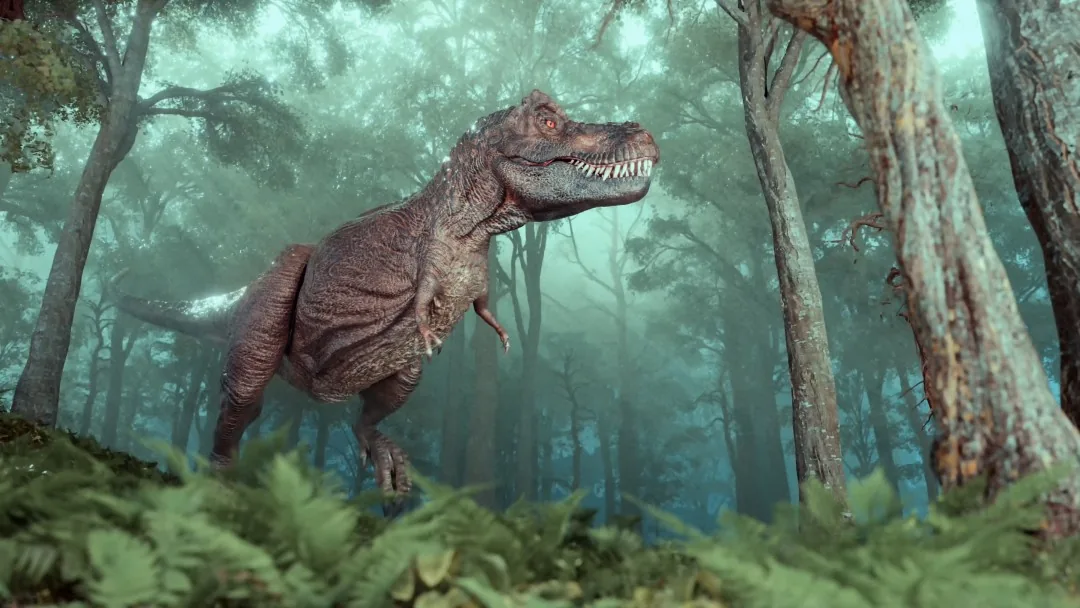
Initially, DeMar noticed a small, branching structure within a crack of the cherry-size coprolite. Subsequent CT scans revealed not only the delicate feather but also fragments of bone and scales from fish, suggesting a complex meal. Researchers believe the droppings likely represent the last meal of a large carnivorous dinosaur, such as a Tyrannosaurus rex, which had consumed a loon-like aquatic bird that had, in turn, eaten fish. This layered dietary find has been dubbed a "Cretaceous turducken" by the research team.
Unveiling Prehistoric Life and Extinction Theories
The significance of this discovery extends beyond a remarkable dietary snapshot. Lead researcher Jingmai O'Connor, affiliated with the Institute of Vertebrate Paleontology and Paleoanthropology in Beijing, suggests the feather's structure might indicate that this extinct bird lineage possessed less insulating plumage compared to the ancestors of modern birds. This could have made them more susceptible to the drastic global cooling that followed the asteroid impact that marked the end of the Cretaceous period. While some scientists consider this interpretation speculative, the find undeniably opens new avenues for paleontological research.
"Dinosaur scat could be an unexpected new archive for delicate tissues like feathers and fur, and for clues to why some species make it through extinction events and others don't," O'Connor stated, as reported by Phys.org. This perspective highlights the potential of coprolites, often overlooked, to preserve fragile organic materials that rarely survive fossilization under typical conditions. The feather itself, due to its pristine state, provides valuable data for understanding avian evolution.
The Hell Creek Formation is renowned for its rich fossil record, particularly from the late Cretaceous period, offering crucial insights into the final moments of the age of dinosaurs. Finds from this Montana site have included numerous dinosaur species, fossilized plants, and early mammals. The discovery of this feather within a coprolite from the same formation underscores the diverse and often surprising preservation conditions that can occur in the fossil record. It challenges previous assumptions about what types of organic material can endure for millions of years.
This groundbreaking find could redefine how paleontologists approach the study of extinct creatures. By examining fossilized excrement, scientists may be able to reconstruct not only diets but also the physical characteristics and environmental adaptations of ancient animals. The ability to study delicate structures like feathers and potentially fur from such ancient sources offers a tangible link to the past, allowing for more detailed comparative studies with modern species. The research, published in the journal Current Biology, emphasizes the ongoing potential for new discoveries even in well-studied fossil sites.
The implications for understanding extinction events are particularly profound. If the insulating properties of the ancient bird's plumage were indeed inferior, it could explain its demise while other species, perhaps better adapted to colder climates, survived. This discovery adds another layer to the complex puzzle of the Cretaceous–Paleogene extinction event, prompting further investigation into the varied responses of life to catastrophic environmental change. The meticulous work involved in piecing together such evidence is akin to detective work, as O'Connor described the process, revealing the hidden narratives within dinosaur droppings.