
NASA Careers: Pathways to Space Exploration Jobs
NASA is hiring across engineering, science, and operations roles in 2026. Learn what qualifications you need and how to launch your space exploration career.

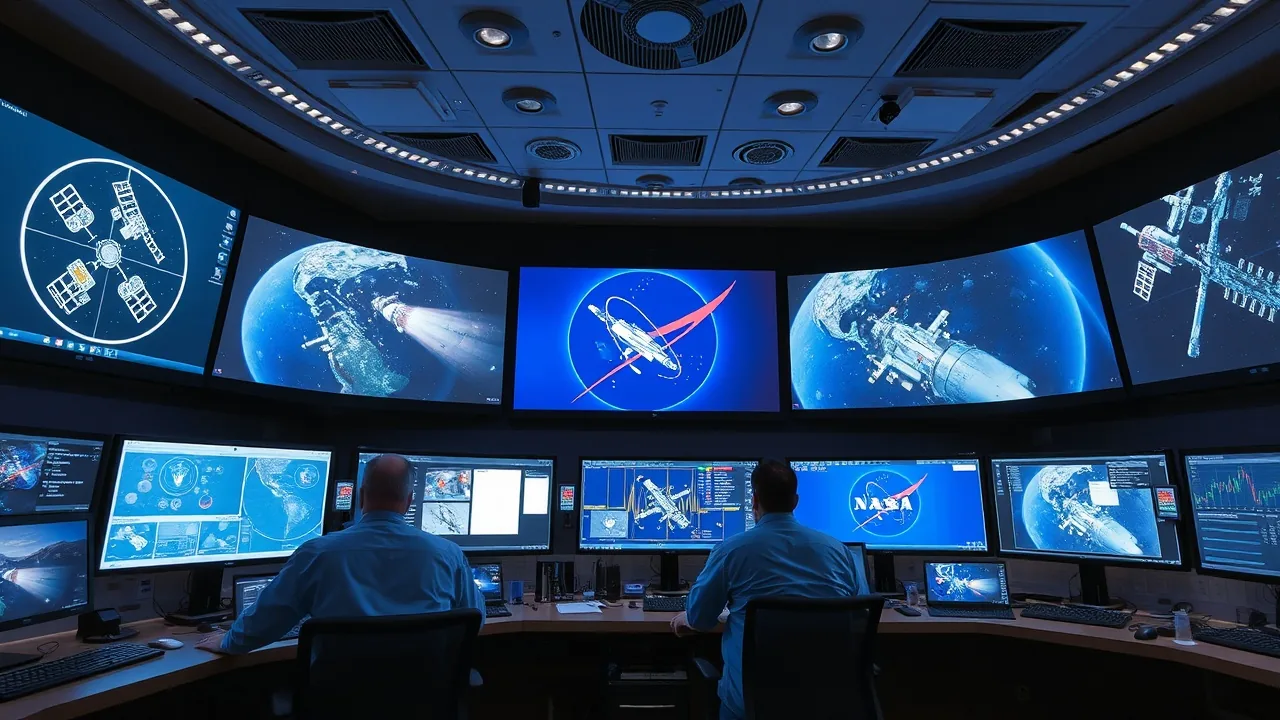
NASA's Johnson Space Center in Houston posted 47 new job openings in July 2026, ranging from systems engineers to mission specialists, signaling continued expansion across the agency's human spaceflight and science divisions. The surge reflects renewed budget allocations and accelerated timelines for lunar return missions and deep-space exploration initiatives.
For Americans seeking careers in space, the current hiring cycle represents one of the most accessible entry points in the past decade. NASA is actively recruiting not just PhDs and seasoned aerospace professionals, but also early-career specialists, technicians, and support staff who can grow into leadership roles.
"We're looking for people with diverse backgrounds and skill sets," said Katherine Chen, NASA's workforce development director, in a July 2026 briefing. "Whether you're a fresh graduate in materials science or a mid-career IT specialist, there's a role for you in our mission."
Core Career Tracks and Qualifications
Aerospace engineering remains the most competitive field, but NASA's hiring needs extend far beyond rocket scientists. The agency maintains openings in five primary categories:
- Systems and mechanical engineers (propulsion, structures, thermal control)
- Software developers and data scientists
- Project managers and systems analysts
- Technicians and manufacturing specialists
- Scientists (physics, chemistry, biology, geology)
Entry-level positions typically require a bachelor's degree in a relevant field plus some demonstrated technical ability, either through coursework, internships, or personal projects. Mid-career roles demand three to five years of professional experience and often a master's degree or equivalent expertise.
NASA's pay scales follow federal General Schedule (GS) classifications. A GS-7 entry-level engineer earned approximately $45,000 annually in 2026, while a GS-12 senior engineer could expect $85,000 to $95,000 depending on location and specialization. These figures exclude overtime, shift differentials, and federal benefits including health insurance, retirement plans, and student loan forgiveness programs.
The Astronaut Training Pipeline
Astronaut training remains one of the most visible but statistically narrow career path. NASA selected 14 new astronaut candidates in March 2026 from nearly 12,000 applicants, a selection rate below 0.2 percent. Most selected candidates held advanced degrees and logged more than 3,000 hours of high-performance jet experience.
However, the astronaut office represents only a fraction of NASA's human spaceflight workforce. For every astronaut in orbit, hundreds of engineers, controllers, scientists, and support personnel work on the ground. Mission control specialists, flight directors, and payload managers often enjoy direct involvement in space missions without requiring the fighter-pilot background traditionally associated with astronaut selection.
The current astronaut class will spend two years in intensive training at Johnson Space Center, covering spacecraft systems, extravehicular activity (spacewalk) procedures, robotics operations, and emergency protocols. Once certified as mission-ready, they become eligible for flight assignments to the International Space Station or future lunar missions.
How to Apply and What's Next
Space jobs at NASA are posted on USAJobs.gov, the official federal employment portal. The application window for most positions remains open for 5-7 days, though some continuous postings stay active for several weeks. Applicants must be U.S. citizens and pass a top-secret security clearance, which involves background checks and can take 3-6 months to complete.
The hiring process typically unfolds across four stages: online application review, phone screening, in-person panel interview, and final agency clearance. Most positions are filled within 90-120 days of posting, though federal hiring timelines can extend longer during peak recruitment cycles.
Networking matters. Attending NASA's annual career fairs, participating in internship programs like the Student Temporary Experience Opportunity (STEM-UP), and joining professional societies such as the American Astronautical Society can increase visibility. Internal NASA employees and former interns often advance faster through the ranks, as hiring managers recognize their institutional knowledge and proven fit with agency culture.
Remote work options have expanded post-2024. While most technical roles require on-site presence at NASA centers, administrative, software development, and program management positions increasingly permit hybrid or full-time remote arrangements. NASA's primary U.S. facilities include Johnson (Houston), Jet Propulsion Laboratory (Pasadena), Marshall Space Flight Center (Huntsville), Kennedy Space Center (Florida), and Ames Research Center (Mountain View).
Science careers at NASA emphasize continuous learning. The agency offers tuition reimbursement up to $10,000 per year for advanced degrees, professional certifications, and technical training. Scientists and engineers frequently publish peer-reviewed research, attend international conferences, and collaborate with university partners, blending civil service stability with academic-style intellectual engagement.
The 2026 hiring expansion reflects NASA's fiscal year budget of $25.4 billion and renewed congressional support for sustained moon operations and Mars reconnaissance. Job security in federal aerospace positions historically remains strong; NASA's workforce turnover averages 4-5 percent annually, well below private-sector tech and aerospace norms.
For candidates serious about joining NASA, starting early pays dividends. Pursuing internships during undergraduate or graduate studies, maintaining high grades in STEM coursework, and developing specialized skills in priority areas like avionics software, additive manufacturing, or lunar construction materials can make applications stand out in competitive review cycles.